The Antioxidant Effects of Vitamin C Supplements
A zest of citrus in a pill is a whisper of wellness to many, and that’s exactly why they reach for Vitamin C supplements antioxidant effects. Ascorbic acid, or Vitamin C, is a crucial micronutrient and vitamin of interest, and for a good reason. As a popular supplement, Vitamin C is taken as a shield against the cellular damage, immunity boosters, and the radiant health. This is the tale that I want to tell, grounded in reason and facts, but without hyperbole — just experience and science.
What Is vitamin C?
Chemical Nature and Definition
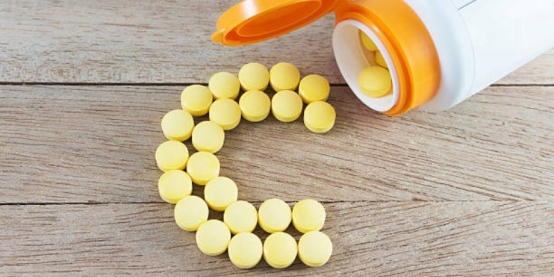
Vitamin C, or ascorbic acid, is a water-soluble vitamin and cofactor for numerous enzymatic reactions in the body. Unlike other substances, the body doesn't have any store of vitamin C.
Natural Sources
Vitamin C is readily available in fruits and vegetables, for example, oranges, strawberries, and even bell peppers.
Daily Recommended Intake
Children(1-3): ~ 15mg/day
Adolescents (14-18): ~65-75mg/day
Women: ~ 75mg and men: ~ 90mg daily
Pregnant or breast feeding women: slightly more but not specified.
Understanding Antioxidants and Their Significance
Free radicals are dangerous compounds that are able to destroy cells Antioxidants neutralize these free radicals and therefore help to avert cellular damage and chronic diseases. Exposure to pollution, ultraviolet rays, and even some metabolic processes generates these free radicals.
Free Radical Neutralization with Antioxidants
Ascorbic acid neutralizes free radicals by donating electrons, thus scavenging reactive oxygen species that might damage to DNA, protein, and cellular membranes. Additionally, it scavenges free radicals more efficiently by regenerating other antioxidants such as Vitamin E.
Benefits of Vitamin C beyond Antioxidant Protection
Vitamin C and Vitamin E supplementation can serve other functions apart from neutralizing free radicals.
Immune system support: Vitamin C boosts the efficacy of some immune cells, as well as the immune system’s overall ability to fight off pathogens.
Collagen production and skin vitality: Vitamin C, with its ascorbic acid form, enhances as skin and wound healing by participating as a co-factor in collagen synthesis.
Evaluating the Science on Vitamin C Supplements Antioxidant Effects
Trials show modest reductions in markers of oxidative stress when patients undergo vitamin C supplement therapy, yet clear evidence supporting
Supplementation as a preventive strategy for diseases such as heart disease or cancer remains sparse.
Some evidence suggests that high dosages of vitamin C might offer no additional benefit and could even conflict with some treatments.
Both observational and controlled studies indicate enhanced antioxidant status, though the results are not always reliable, particularly in well-fed individuals.
When and Why to Consider Vitamin C Supplements
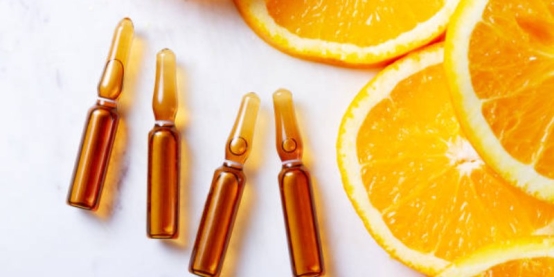
People might consider supplementation when:
Delayed dietary intake—some individuals do not meet even the minimum intake with a balanced diet.
Increased vitamin requirement due to smoking, high stress levels, or even an illness.
Certain medical conditions, like some absorption disorders, hamper transport and uptake.
Supplement forms include tablets, capsules, powders, and chewables, all providing the vitamin C an individual needs. The differences in preference and the need for flexibility in dosage aim to meet the diverse needs of patients.
Safety, Side Effects, and Dosage Guidance
Generally safe when taken at moderate doses. The commonly accepted upper limit for adults is roughly 2,000 mg a day. Sustaining a higher limit of 2,000 mg a day could result in digestive upsets and even a higher risk of kidney stones. There are some potential risks with other medications, such as chemotherapeutic agents and statins. High dosing needs medical supervision.
Moderately dosing 200-500 mg per day supports the body’s antioxidant capabilities without risk to health.
Selecting A Quality Vitamin C Supplement
When selecting, remember:
Purity and bioavailability: A minimum of fillers Vitamin C in the form of ascorbic acid or sodium ascorbate is preferable.
Third-party testing: Quality certifications such as USP or NSF are reassuring.
More expensive options such as liposomal Vitamin C are justified due to higher absorption.
Natural Ways To Boost Vitamin C Intake
Foods High In Vitamin C
Strawberries, kiwifruit, citrus fruit, dark green vegetables, bell peppers, and broccoli.
Add to fresh snacks, smoothies, or salads.
Vitamin C Preservation
Best is to store vegetables in cool, dark places and consume shortly after purchase.
Gentle methods of steaming or quick sautéing are better than boiling.

Key Points About Vitamin C Supplements
Supplementing with Vitamin C effectively combats free radicals and fetal protective functions in case of dietary insufficiency.
Supports skin, immunity, healing, iron absorption, and many more functions beyond the antioxidant effect.
Scientifically documented improvement of antioxidant markers is reported, disease prevention however remains ambiguous.
Supplements should be used carefully, in limited quantities, and their quality must be high.
Supplements add value but should never replace. Whole food options should always be prioritized first.
With thoughtful and well-informed health choices, supplements should be understood as contributing toward health goals instead of being an absolute solution. Vitamin C supplements and their claimed effects as an antioxidant must furthermore be justifiably reconceptualized. Benefits should never be imagined—and instead must be anchored in proven facts, diet, and trusted supplement quality.
Sources